How Industrial Ethernet Switches Improve Factory Network Reliability
Industrial Ethernet switches help organize network traffic, support scalable expansion, and improve communication stability in modern automation systems.
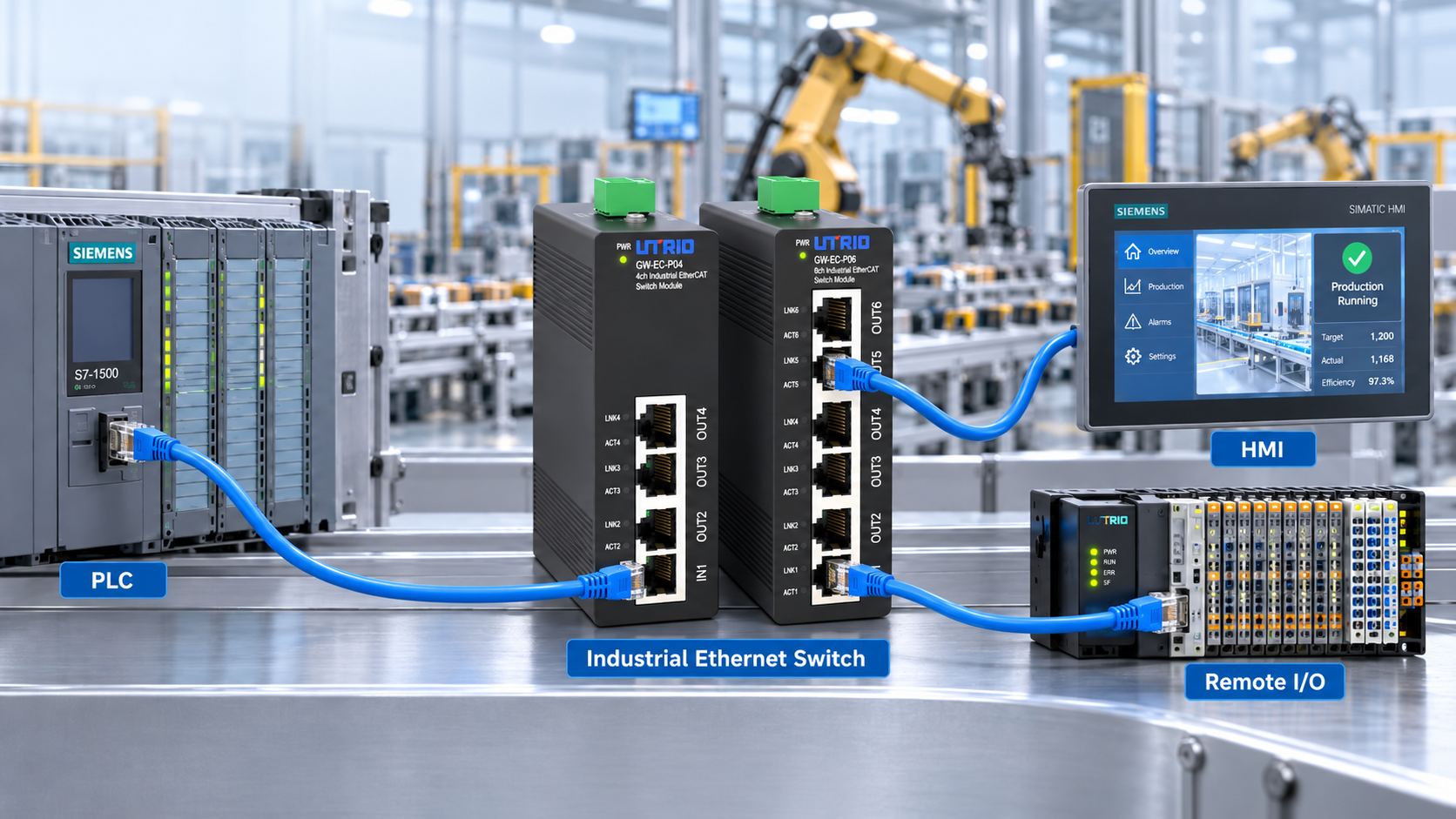
As more controllers, I/O stations, HMIs, drives, cameras, and other devices are connected in modern factories, reliable network infrastructure becomes increasingly important. Industrial Ethernet switches provide a practical foundation for connecting these devices and organizing communication across machine and production networks.
What Is an Industrial Ethernet Switch?
An industrial Ethernet switch is a network device designed for automation environments. It connects multiple Ethernet devices and forwards data between them, allowing PLCs, HMIs, I/O modules, industrial computers, drives, and other equipment to communicate through a common network infrastructure.
Compared with simple office-network hardware, industrial switches are selected with greater attention to installation conditions, power design, EMC performance, temperature range, network topology, and long-term operation in production environments.
Why Industrial Ethernet Switches Matter?
In industrial automation, network communication is no longer limited to simple data exchange. It can support machine coordination, production monitoring, diagnostics, recipe management, and connection between different automation cells. A well-planned switching architecture helps keep these communication paths organized and easier to maintain. | 1. Stable Network Aggregation 2. Easier System Expansion 3. Clearer Network Organization 4. Better Diagnostic Visibility |
Unmanaged vs Managed Industrial Switches
Industrial Ethernet switches are commonly available in unmanaged and managed versions. The right choice depends on network scale, required control functions, diagnostic needs, and future expansion plans.
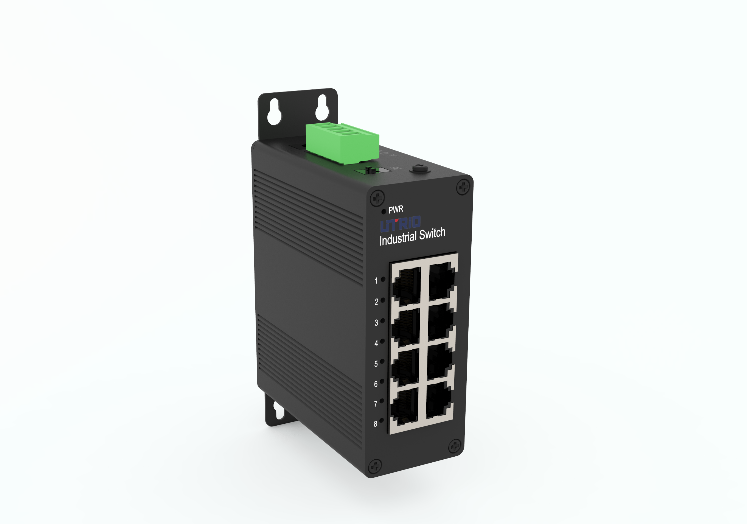 Unmanaged Industrial Switch Unmanaged Industrial SwitchAn unmanaged switch provides straightforward Ethernet connectivity with minimal configuration. It is often suitable for smaller or relatively fixed machine networks where the primary requirement is reliable device connection and simple installation. | 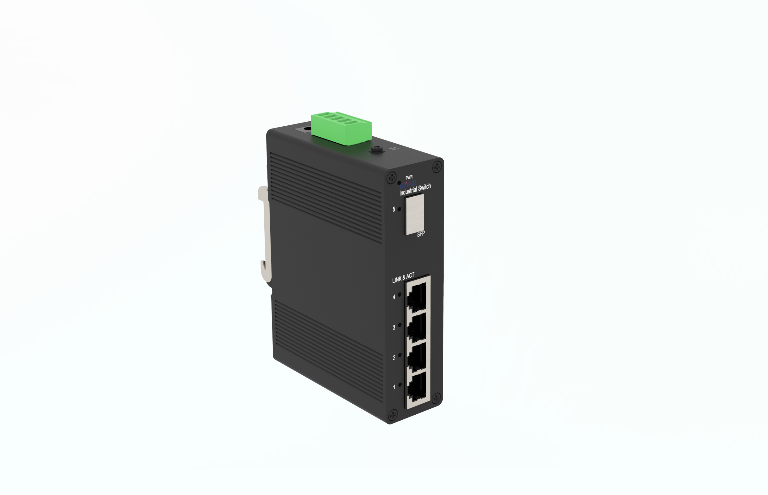 Managed Industrial Switch Managed Industrial SwitchA managed switch provides configurable network-management functions. Depending on the model, these functions may support network segmentation, traffic management, diagnostics, monitoring, or redundancy planning, making managed switches better suited to larger or more complex automation networks. |
Key Features to Consider
When selecting an industrial Ethernet switch, the following factors should be evaluated based on the actual application:
· Port type and quantity, including required Ethernet speed and fiber interfaces
· Managed or unmanaged network architecture
· Network topology and redundancy requirements
· Operating temperature, power input, EMC, isolation, and environmental conditions
· DIN-rail, cabinet, or other installation requirements
· Diagnostic and configuration functions
· Required certifications and compliance, confirmed by specific model
Typical Applications
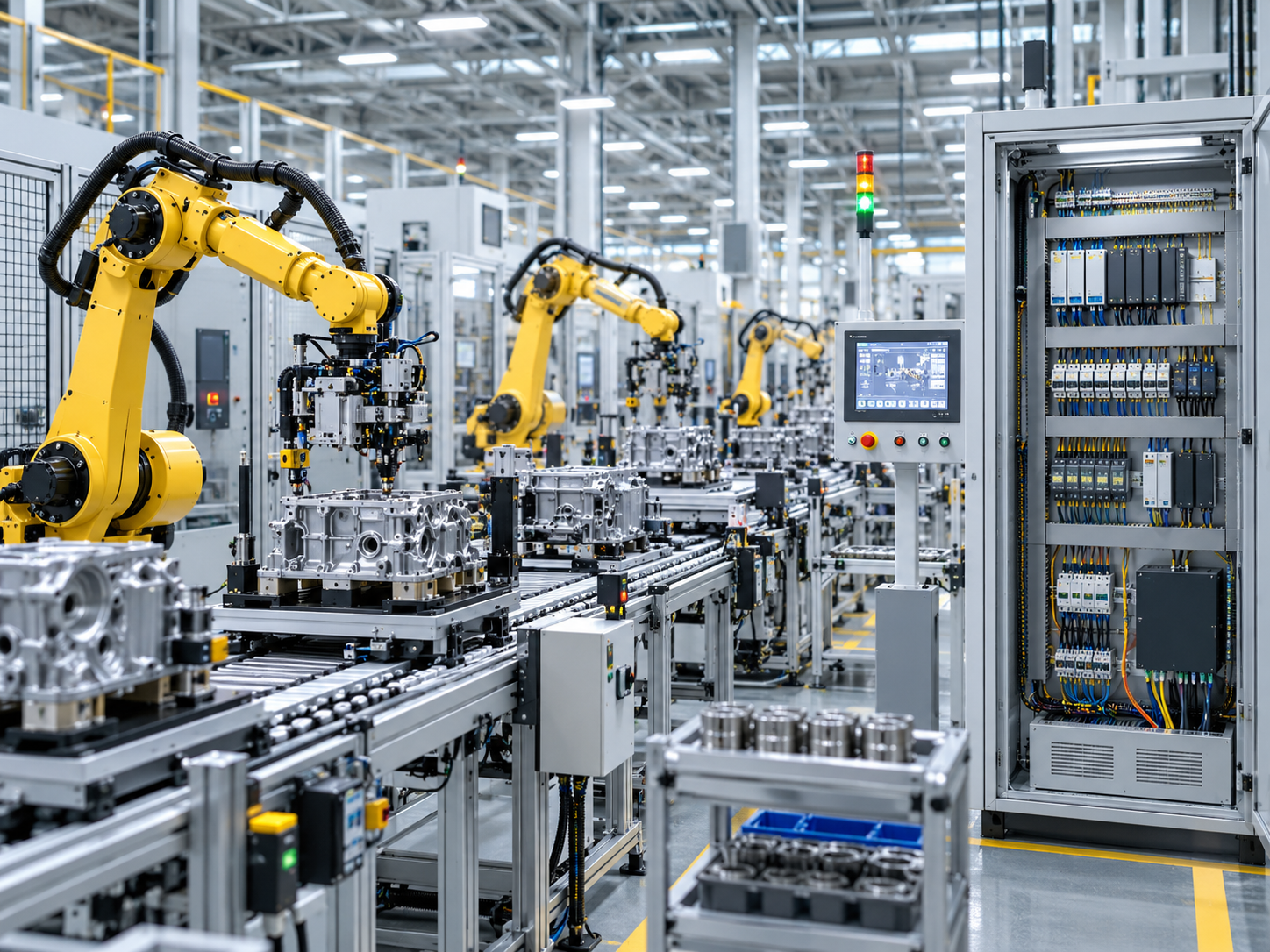
Factory Automation
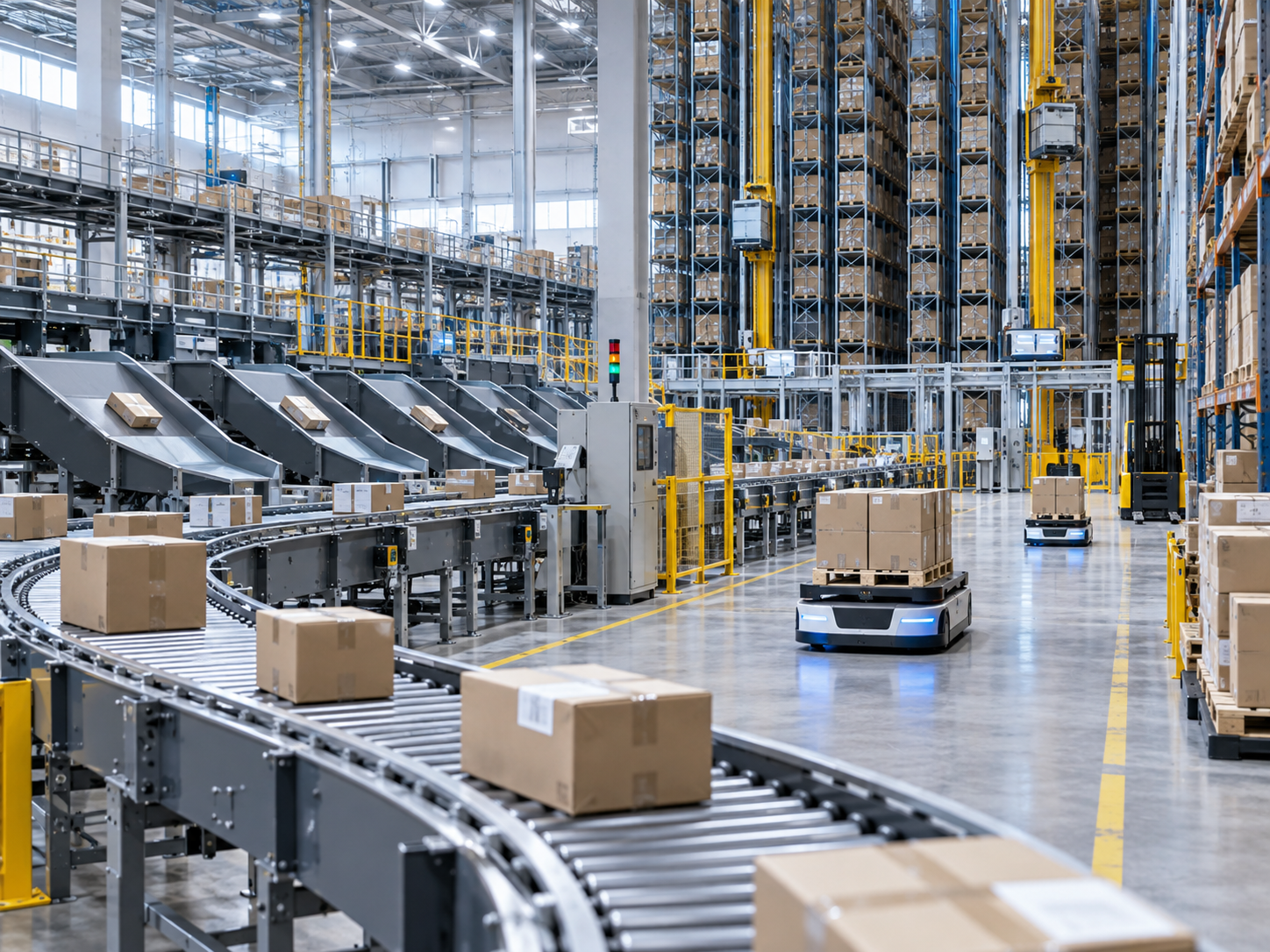
Machine Building
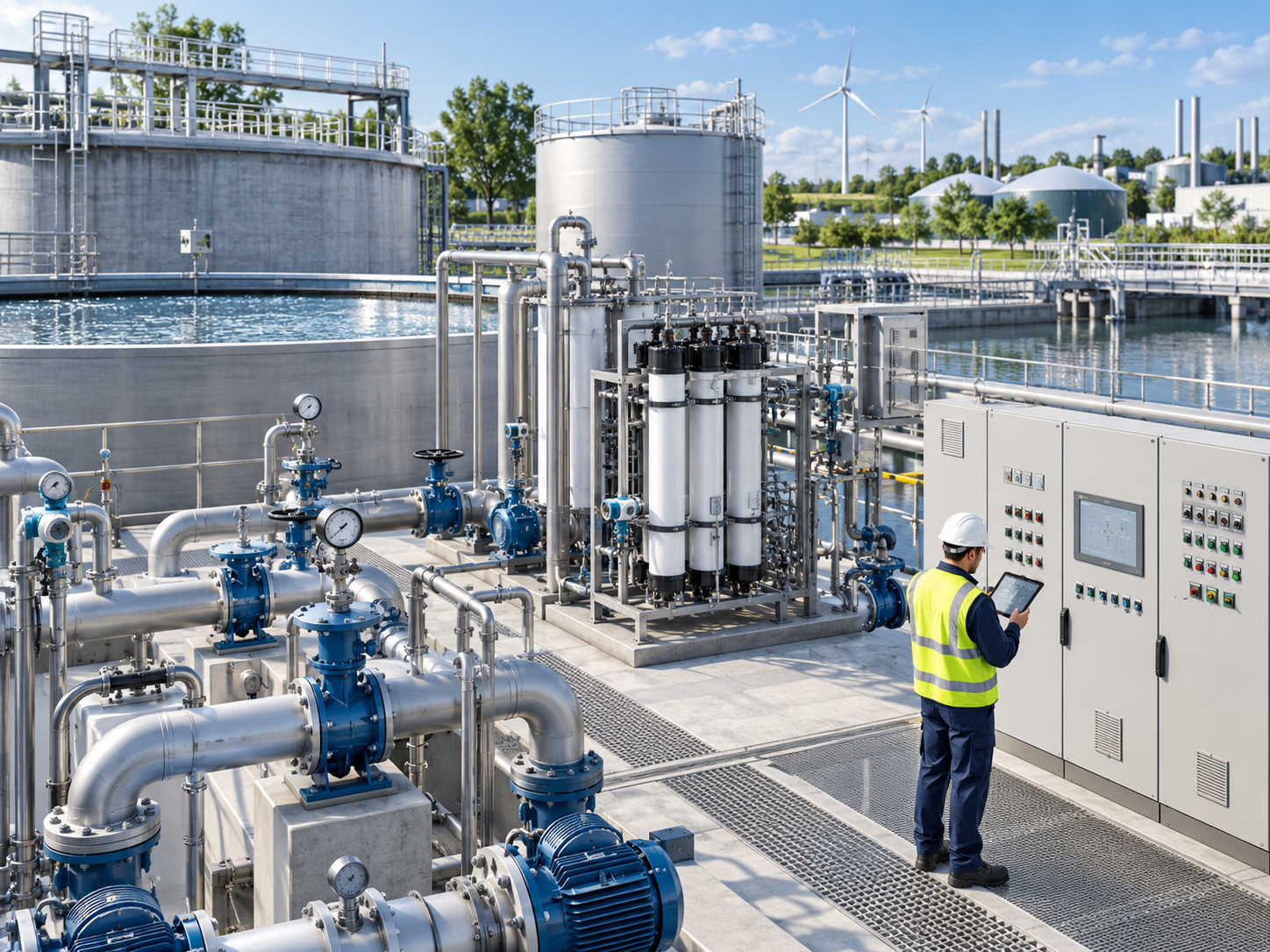
Logistics & Conveying
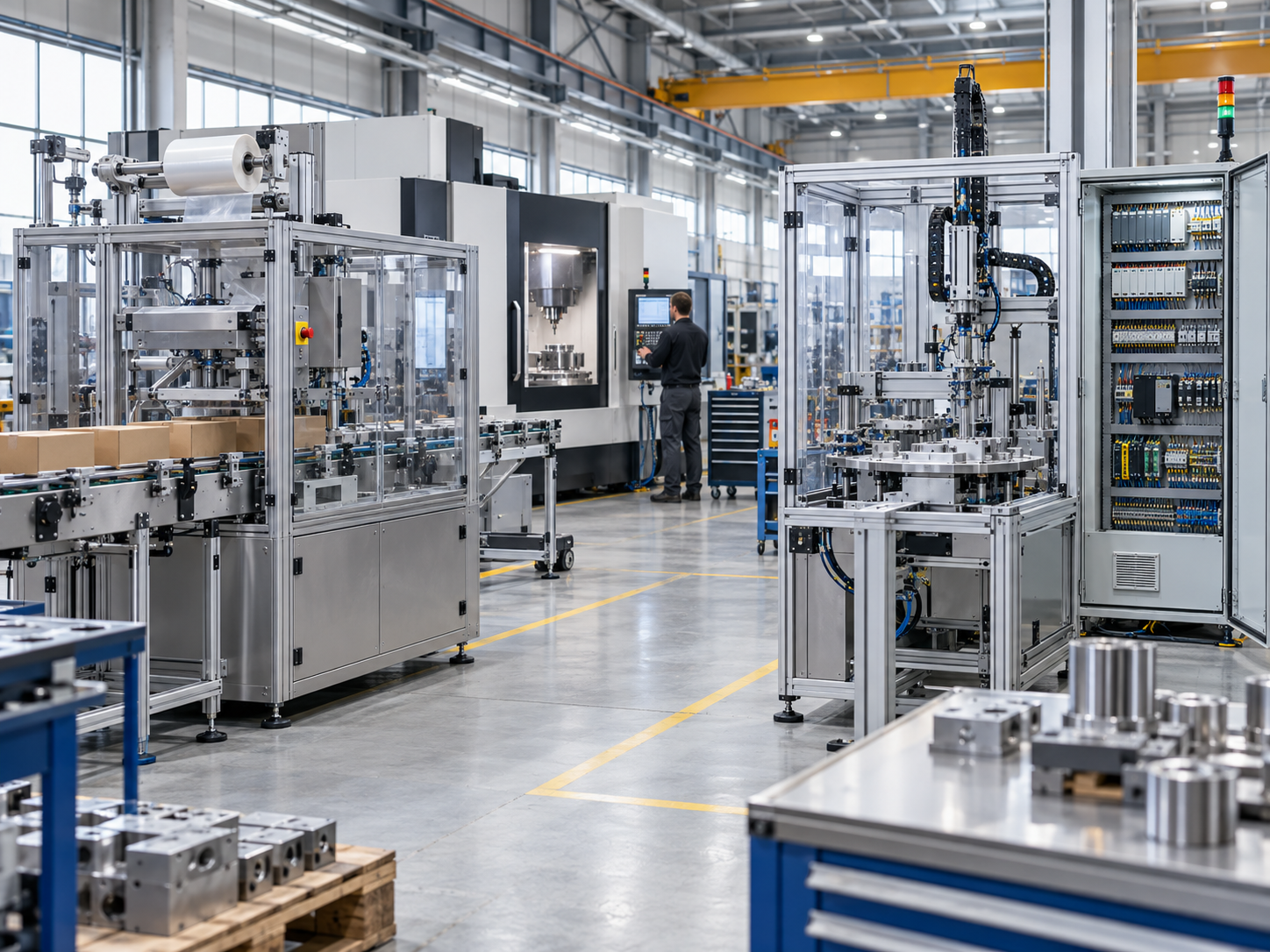
Process Equipment
Building a More Reliable Industrial Network
Industrial Ethernet switches help build organized, scalable, and maintainable automation networks. When the switch architecture matches the machine topology and communication requirements, manufacturers can create a stronger foundation for future expansion and factory digitalization.
ULO GROUP provides industrial communication and industrial connectivity solutions for modern automation systems, including industrial Ethernet switches, protocol converters, I/O modules, industrial connectors, and related control components.