Modular Design in Industrial Automation: Why Are Standardized Connectivity and Distributed Architectures Gaining Attention?
As industrial automation systems evolve toward more flexible equipment architectures, standardized connectivity and distributed I/O offer more options for modular machine design.
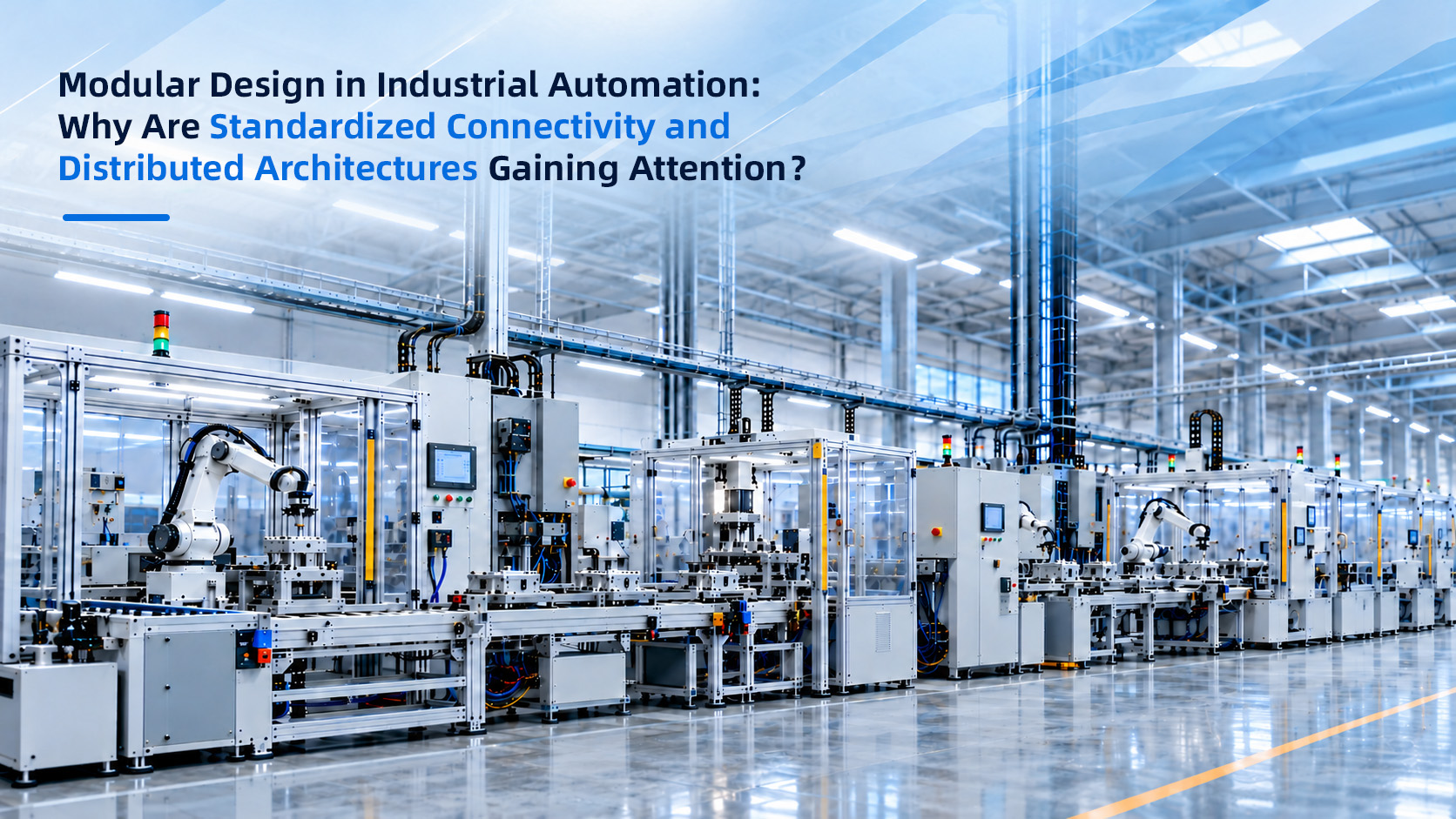
As industrial automation equipment becomes more sophisticated, production lines face growing demands for flexible configuration, rapid adjustments, and easier maintenance. Modular design and distributed architectures are gaining attention as machine builders place greater emphasis on standardized interfaces and coordinated operation between functional units to meet diverse production needs.
Modular Design Drives Architecture Adjustment
Traditional centralized wiring typically requires a large number of field signals to be connected to the main control cabinet. As equipment expands or functional requirements change, wiring, system expansion, and maintenance can become increasingly complex.
Modular design divides equipment into relatively independent functional units with clearly defined mechanical, electrical, and communication interfaces. This approach allows modules to be configured and combined according to specific requirements, improving design flexibility and providing more options for equipment upgrades and production line adjustments.
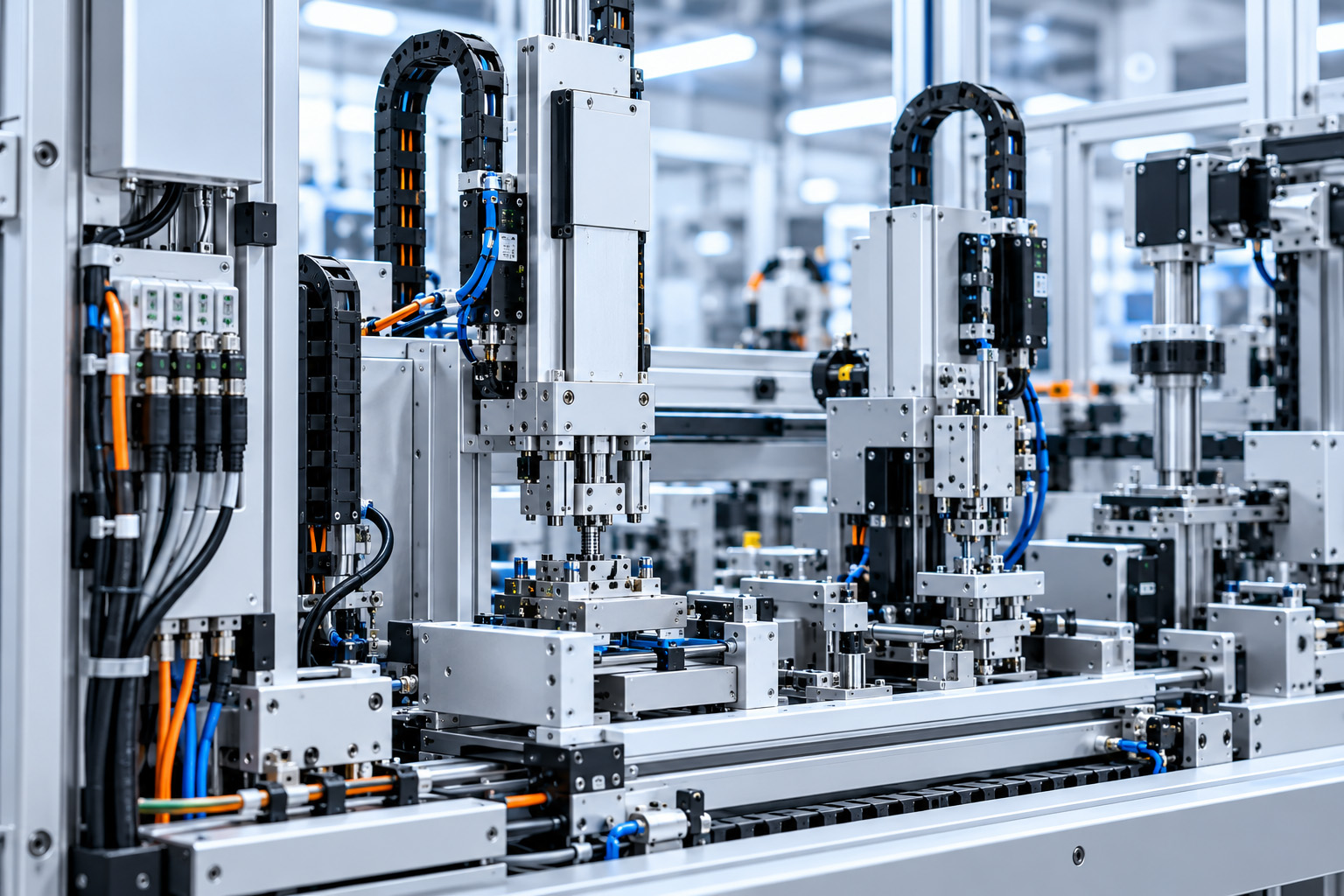
Standardized Connectivity & Distributed Architectures Work in Tandem
In modular equipment, different functional units need to transmit power, control signals, and communication data. Industrial connectivity products, such as terminal blocks and circular connectors, provide electrical and communication connection options based on equipment requirements. Proper planning of interface types, wiring methods, and installation locations can help simplify equipment installation, commissioning, and maintenance.
Meanwhile, distributed I/O enables input and output connections to be located closer to field devices, exchanging data with the main controller through industrial communication networks. This architecture can help reduce long-distance point-to-point wiring between field devices and the main control cabinet while providing greater flexibility for equipment expansion.
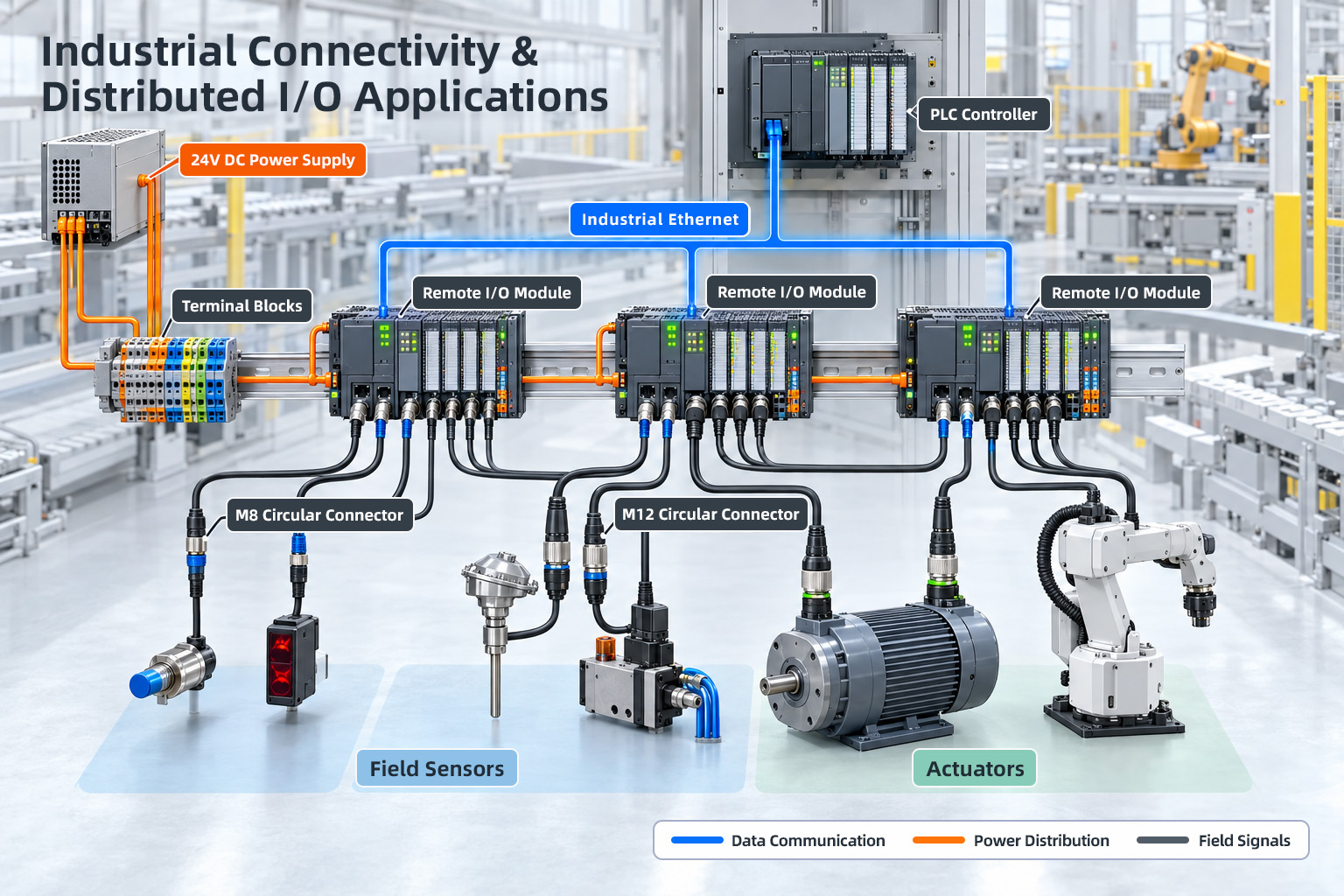
Compatibility & Connectivity Needs in Modular Applications
Modular design involves more than simply adding connectors or I/O stations. In practical applications, machine builders must consider the number of interfaces, installation space, environmental ingress protection, communication protocols, and compatibility between different devices. These factors should be evaluated and verified against the technical specifications of the products involved.
As modular design and distributed architectures continue to develop, coordinated integration of industrial connectivity and control products is becoming increasingly important. ULO GROUP offers a diverse range of products, including terminal blocks, circular connectors, remote I/O modules, and industrial communication products, helping customers evaluate suitable connectivity and control solutions based on equipment configurations and application requirements.